
Growth UX: How design is driving business metrics
What is Growth UX? Growth UX is a branch of experien...
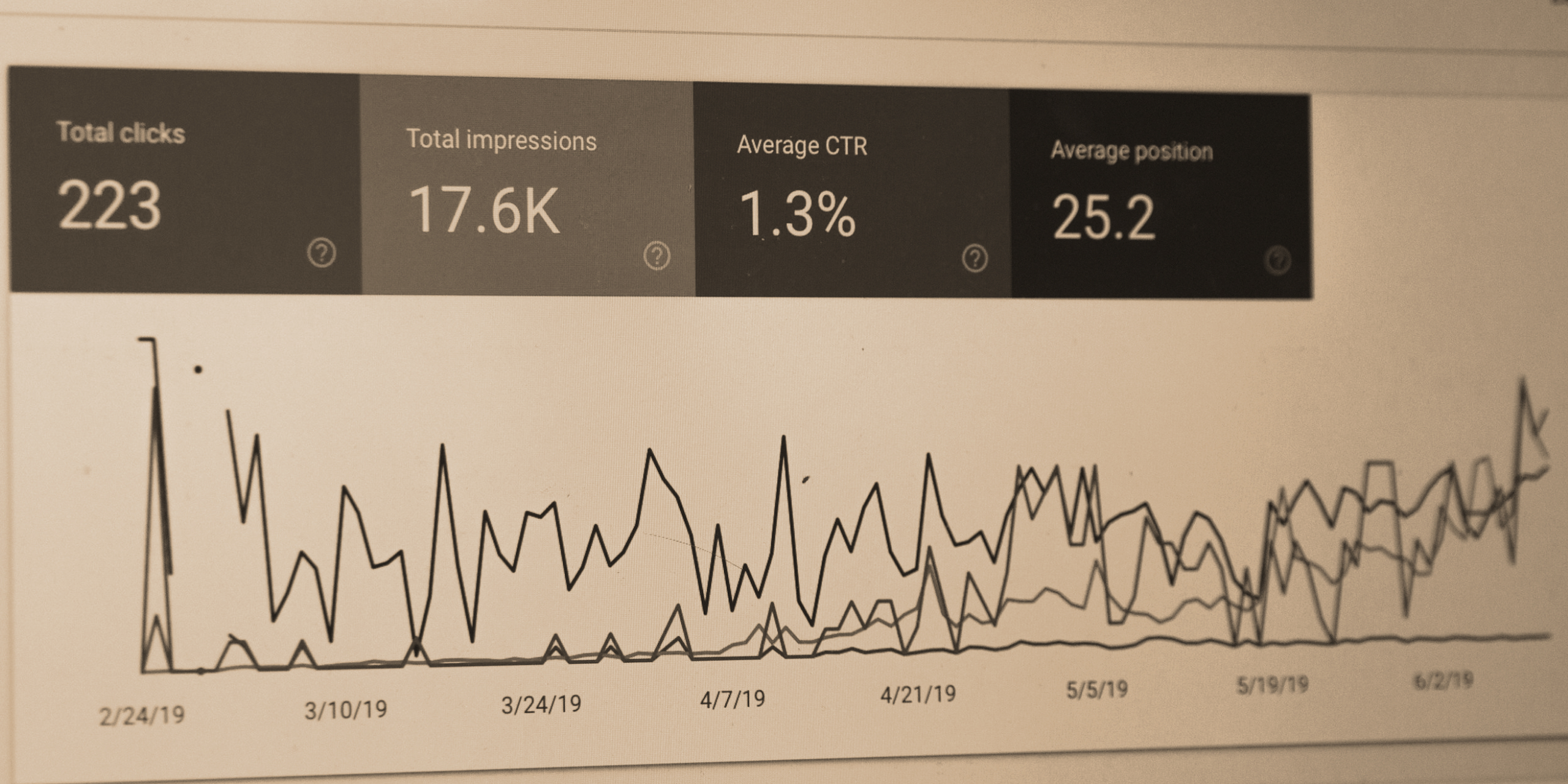
In the digital age, the competition for attention is intense. Companies looking to stand out online need a website that not only appears in Google search results but also offers an engaging experience for their visitors. This is where SEO and UX meet. The fusion of search engine optimization and user experience is essential to ensure a site is found, navigated, and used efficiently. Let’s explore how to integrate these two areas to boost your digital presence.
SEO (Search Engine Optimization) is a set of techniques aimed at improving a website’s ranking in search engines. This involves everything from keyword selection to optimizing code and site structure. UX (User Experience), on the other hand, focuses on the user’s experience while navigating the site. This includes usability, design, accessibility, and interactivity, ensuring that visitors find what they are looking for in an intuitive and satisfying way. When SEO and UX work together, the result is a site that not only ranks well on Google but also retains and converts visitors into loyal customers.
Slow websites drive users away and lose positions on Google. Loading times over 3 seconds can result in high bounce rates. Optimizing images, using caching, and choosing a fast server are good practices to improve speed and benefit both SEO and UX.
Google prioritizes responsive sites — those that adapt to any device. UX also requires the site to be easy to navigate on small screens. A fluid layout, accessible buttons, and readable fonts ensure efficient navigation.
A well-organized site facilitates both human reading and search engine indexing. Clean URLs, well-defined headings (H1, H2, H3), and intuitive architecture help Google understand the content and improve the user experience.
SEO depends on strategically placed keywords, but UX demands that text be attractive and easy to consume. Short paragraphs, lists, bold text, and subtitles organize content visually pleasingly.
The longer a visitor stays on your site, the better for SEO. UX ensures the user journey is engaging, with interactive elements and an intuitive flow that encourages exploring more pages and interacting with your content.
SEO attracts qualified traffic, but UX turns visitors into customers. Well-positioned CTAs with clear messages and visually prominent buttons guide users toward the desired action.
Google values sites with a well-defined link structure. Internal links help navigation and keep users engaged, while external links increase content credibility.
SEO and UX are not rivals but allies. An SEO-optimized site attracts visitors, while user-centered design keeps them engaged and increases conversions. To achieve a balance between these strategies, rely on experts who understand the importance of this fusion. At Arise Design, we create digital experiences that combine performance and usability, ensuring your site is both found and appreciated. Get in touch and discover how we can transform your digital presence!